Chocolate is enjoyed around the world, but the journey behind every chocolate bar begins far away from the finished product. Before chocolate can be molded, wrapped, and tasted, it starts as a colorful tropical fruit growing directly from a cacao tree.
Understanding how chocolate is made means following cacao through a fascinating series of steps—from harvesting ripe pods and fermenting the beans to roasting, grinding, refining, and finally transforming cacao into finished chocolate.
At Carambola Chocolate Factory in Roatán, cacao and chocolate come together in one destination, giving visitors an opportunity to discover the connection between the tropical plant and the chocolate they know and love.
Chocolate Begins With a Fruit
Chocolate begins with the fruit of the cacao tree, scientifically known as Theobroma cacao.
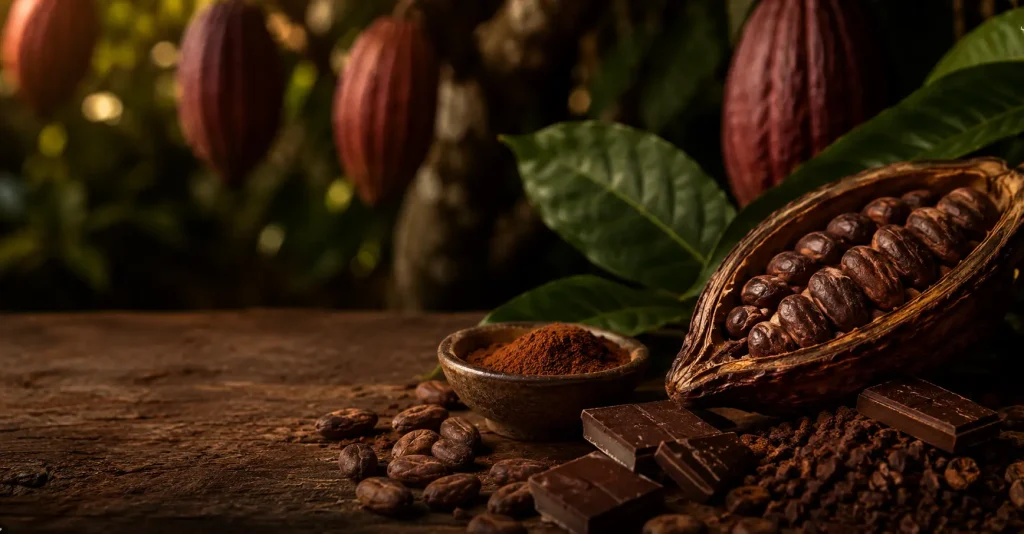
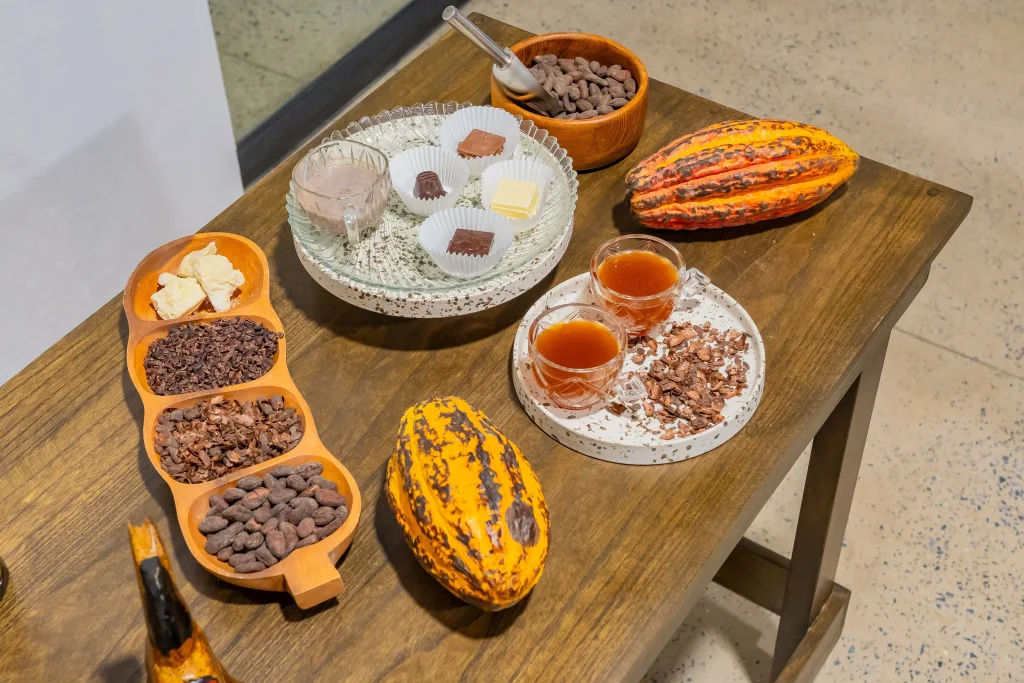
Cacao pods grow directly from the trunk and larger branches of the tree. Depending on the variety and stage of ripeness, the pods can appear in shades of green, yellow, orange, red, or purple.
Inside each pod are cacao beans surrounded by a soft white pulp. Surprisingly, this pulp is edible and has a sweet, fruity flavor that tastes completely different from chocolate.
The beans inside are what eventually undergo the long transformation into chocolate.
Step 1: Harvesting the Cacao Pods
The chocolate-making journey begins when mature cacao pods are harvested.
Cacao pods need to reach the appropriate level of ripeness before being removed from the tree. Harvesting carefully is important because cacao trees can continue producing flowers and fruit from the same areas.
After harvesting, the pods are opened to reveal the cacao beans and white pulp inside.
At this point, neither the appearance nor flavor of the beans resembles the chocolate we eventually eat.
Step 2: Removing the Cacao Beans
Once a cacao pod has been opened, the beans and surrounding pulp are removed.
Fresh cacao beans are moist and covered in naturally sweet pulp. Rather than immediately becoming chocolate, they must first undergo one of the most important stages in flavor development:
fermentation.
This is where the transformation starts becoming especially interesting.
Step 3: Fermentation
Fermentation is a crucial stage in developing the flavors that will eventually characterize chocolate.
Fresh cacao beans and pulp are gathered and allowed to ferment for a controlled period. During this process, naturally occurring microorganisms interact with the sugars in the pulp.
Chemical and biological changes occur inside the beans, reducing bitterness and helping create the foundations of the aromas and flavors associated with chocolate.
Without proper fermentation, even high-quality cacao may never develop its full potential.
Step 4: Drying the Cacao Beans
After fermentation, cacao beans still contain significant moisture and need to be dried.
Traditionally, beans may be spread out and exposed to controlled sunlight while being turned regularly to promote even drying.
Drying reduces moisture, helps stabilize the beans for storage and transportation, and continues the development of flavor.
The balance is important: beans that retain too much moisture can develop quality problems, while improper drying can negatively affect their final characteristics.
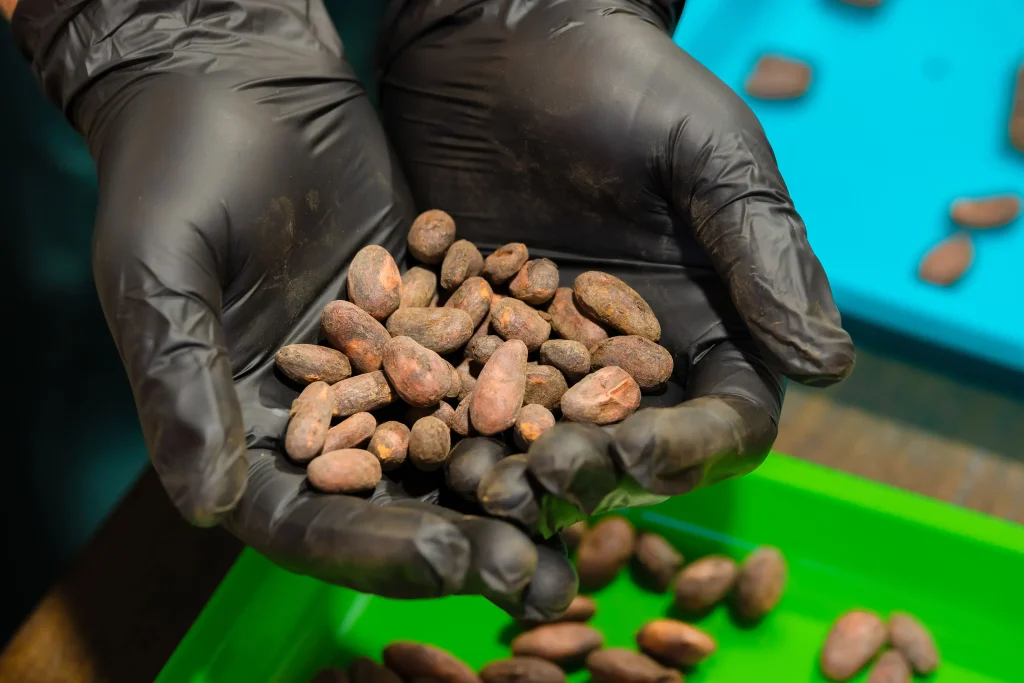
By this point, the cacao beans look considerably different from the fresh beans that first came out of the pod.
Step 5: Roasting
Once properly fermented and dried, cacao beans can be roasted.
Roasting is one of the stages where the familiar aromas associated with chocolate become much more noticeable.
Temperature and roasting time influence the final flavor profile. Just as coffee can develop different characteristics depending on how it is roasted, cacao can also express different flavors depending on the bean and roasting approach.
Roasting also makes it easier to separate the outer shell from the cacao inside.
Step 6: Cracking and Winnowing
After roasting, cacao beans are cracked into smaller pieces.
The thin outer shell needs to be separated from the valuable interior pieces, known as cacao nibs.
This separation process is called winnowing.
Cacao nibs contain the components that will eventually become chocolate. They have an intense cacao flavor but are not yet the smooth chocolate most people recognize.
Step 7: Grinding Cacao Into Chocolate
Cacao nibs are then ground.
Cacao naturally contains a significant amount of cocoa butter. As the nibs are ground and friction generates heat, this natural fat helps transform the solid pieces into a thick flowing paste commonly known as cocoa mass or chocolate liquor.
Despite the name, chocolate liquor does not contain alcohol.
This stage is an important moment in understanding how chocolate is made: the dry-looking cacao nibs begin to transform into something that visually resembles chocolate.
Step 8: Refining and Developing Flavor
From here, chocolate makers can combine cacao with other ingredients depending on the type of chocolate they want to produce.
Dark chocolate may primarily contain cacao and sugar, while milk chocolate also includes milk ingredients.
The mixture is refined to reduce particle size and create the smoother texture associated with finished chocolate.
Chocolate may also undergo further mixing or conching, helping develop flavor and texture.
Small changes in ingredients, cacao origin, processing, temperature, and time can produce noticeably different results.
This is part of what makes chocolate making both a science and a craft.
Step 9: Tempering and Molding
Before chocolate becomes a finished bar, it normally needs to be tempered.
Tempering involves carefully controlling the temperature of melted chocolate so that the cocoa butter forms stable crystals.
Properly tempered chocolate develops characteristics people often associate with a high-quality chocolate bar: a smooth appearance, firm texture, and satisfying snap when broken.
The tempered chocolate can then be poured into molds, allowed to set, and transformed into bars or other creations.
From a tropical cacao fruit to a finished chocolate bar, the transformation is finally complete.
Why Every Step Matters
Chocolate isn’t created during one single stage.
Its final character is influenced throughout the entire process:
cacao variety and growing environment;
harvesting;
fermentation;
drying;
roasting;
grinding;
ingredients;
refining;
tempering.
This explains why chocolates made with different cacao or production methods can taste remarkably different from one another.
Understanding the process also makes tasting chocolate more interesting because you begin to recognize how much work happens before a chocolate bar reaches your hands.
From Tree to Chocolate at Carambola
At Carambola Chocolate Factory in Roatán, visitors can connect the beginning and end of this journey in one place.
You can discover cacao growing in a tropical environment, learn more about the transformation from cacao to chocolate, observe chocolate production, and taste finished chocolate.
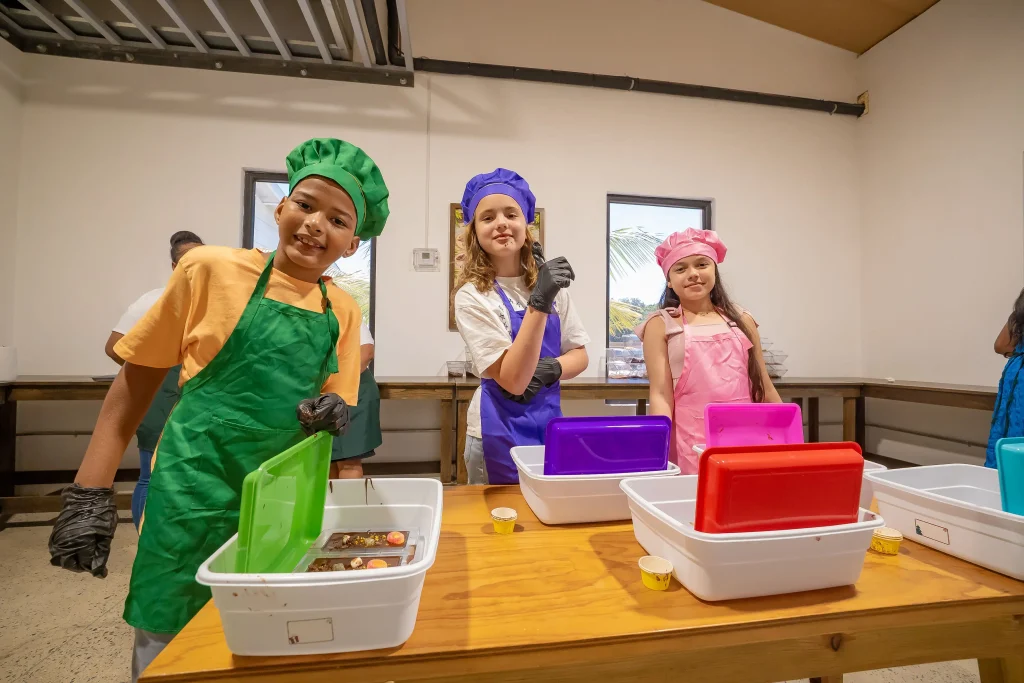
For visitors who want to explore the process more deeply, Carambola also offers organized chocolate experiences and workshops.
The next time you open a chocolate bar, remember that its story began as a tropical fruit.
From harvesting and fermentation to roasting, grinding, and tempering, every stage contributes to the transformation of cacao into chocolate.
Learning how chocolate is made reveals the agriculture, knowledge, craftsmanship, and patience hidden inside something we often experience simply as a delicious treat.
At Carambola Chocolate Factory, visitors to Roatán can discover that story closer to its source.